Gear Arena Practical Guides
German citizenship.
Records first.
Less guessing.
A practical U.S.-based resource for tracing German citizenship, requesting German and U.S. records, preparing for consular appointments and organizing the paper trail. We combine current official guidance with clearly labeled firsthand experience from a real family case.
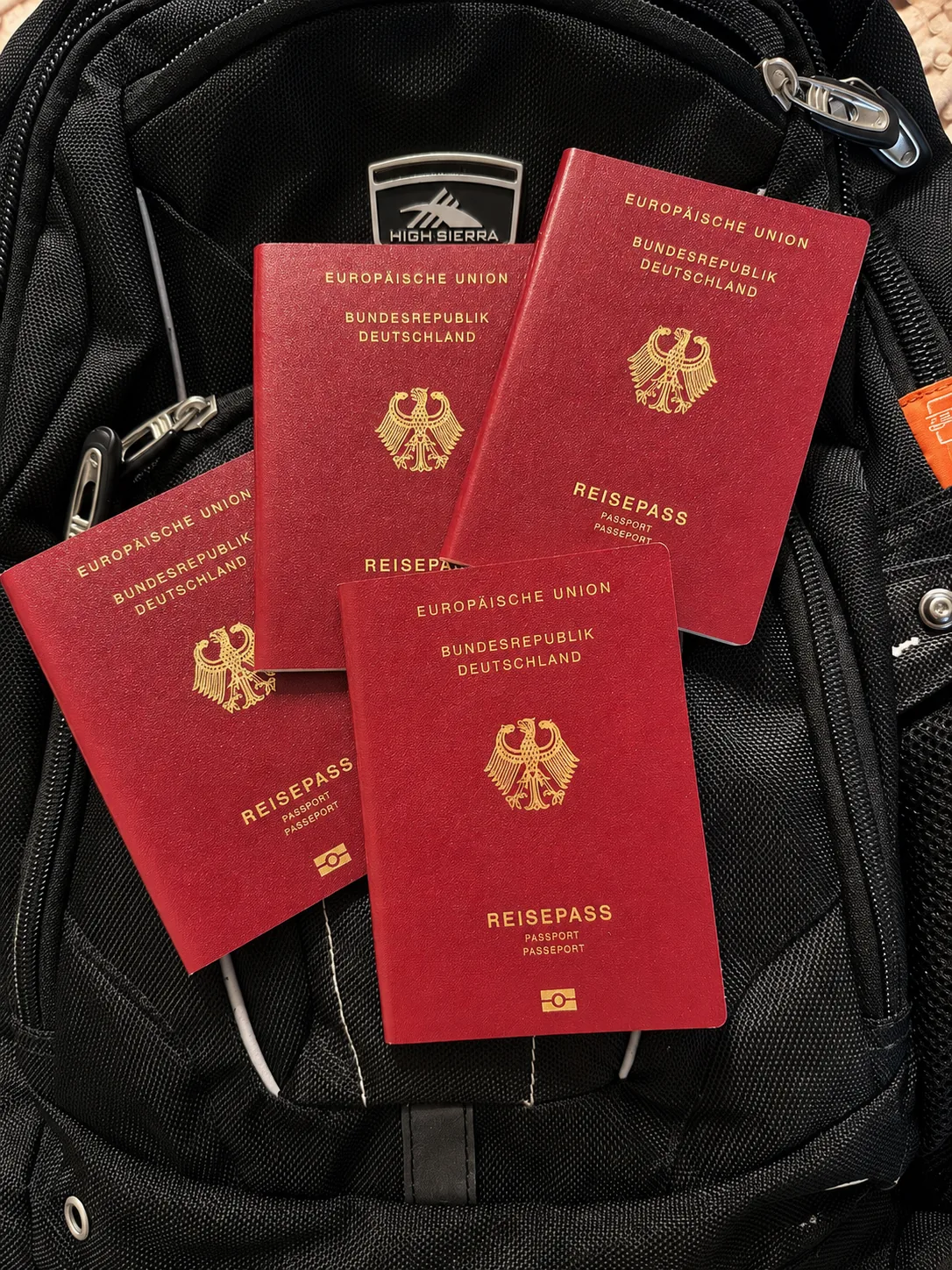
process
Start here
What are you trying to do?
This tool routes you to the most useful guide. It does not make a legal eligibility determination.
Find your next step
Pick your situation and goal. You’ll get a recommended reading path instead of a one-line “eligible / not eligible” answer.
Core guides
Build the paper trail.
These pages focus on the parts that usually take actual work: finding the office, requesting the record, proving U.S. immigration history and keeping everything organized.
German record-request emails
Copyable German templates with expandable English translations and optional wording for scans, multiple copies, adoption/name changes and follow-ups.
Open templates →German recordsRequest a birth register record
How we contacted Standesämter from the U.S., what we included, what happened, and how payment and international mail worked.
Read guide →U.S. recordsRequest an A-File
Our failed first request, corrected deceased-relative workflow, online A-File download and final 66-page USCIS response.
Read guide →German archivesHistorical Meldekarte
How old addresses, name variants and family documents helped locate a microfilmed registration card.
Read guide →Document setupHow we organize the case
Originals, copies, appointment binders, sheet protectors, scanning and fire-resistant storage.
See the setup →Payments from the U.S.Pay German authority fees
How I used Wise repeatedly when Standesämter and local offices sent euro fees, IBANs and payment references.
See the payment workflow →After citizenshipWhat German + U.S. citizenship can mean
EU mobility, work and study rights—without pretending every university, grant or benefit is automatically free.
See benefits →Research toolsAncestry & FamilySearch
How we use genealogy databases to find names, dates, places and record clues—then trace those clues to the official source.
See research workflow →Language helpUsing DeepL safely
How we use machine translation for correspondence, what we redact, and why it is not the same as a certified translation.
See translation workflow →PaymentsUsing Wise for overseas payments
How we pay overseas from the U.S., why we liked Wise, and how we used it for German-authority fees without turning the page into a pure affiliate pitch.
See payment guide →At the consulate
From records to the appointment.
New firsthand guides from our October 2026 Washington appointments: adult and child passports, birth registration, security and the passport-photo workflow we actually used.
Father → me → kids → brother
The complete direct-to-passport journey, the records hunt behind it, and the later Hanau birth-registration turn.
Read the full journey →Birth registrationWhy we checked Hanau before Berlin
Written jurisdiction confirmation, certified Meldekarte evidence, family documents, translations and what the Embassy actually checked.
Read the case study →First passportAdult passport by descent
Our real first-passport case: the citizenship questionnaire, bilingual Embassy email and written reply, then the original records we brought.
See what we brought →ChildrenFirst passports for U.S.-born kids
Both parents, long-form birth certificates, parent passports, photos—and what happened when the children had no U.S. passports yet.
Read our experience →Washington, D.C.What the Embassy visit is like
The gate, security, phone lockers, waiting room, $5 photo booth, payment and return options from our visit.
Walk through the visit →Passport photosHow we made our photos at home
Canon camera, Yongnuo lens, flash, Epson EcoTank, photo paper, sizing template and multiple uncut backup prints.
See the workflow →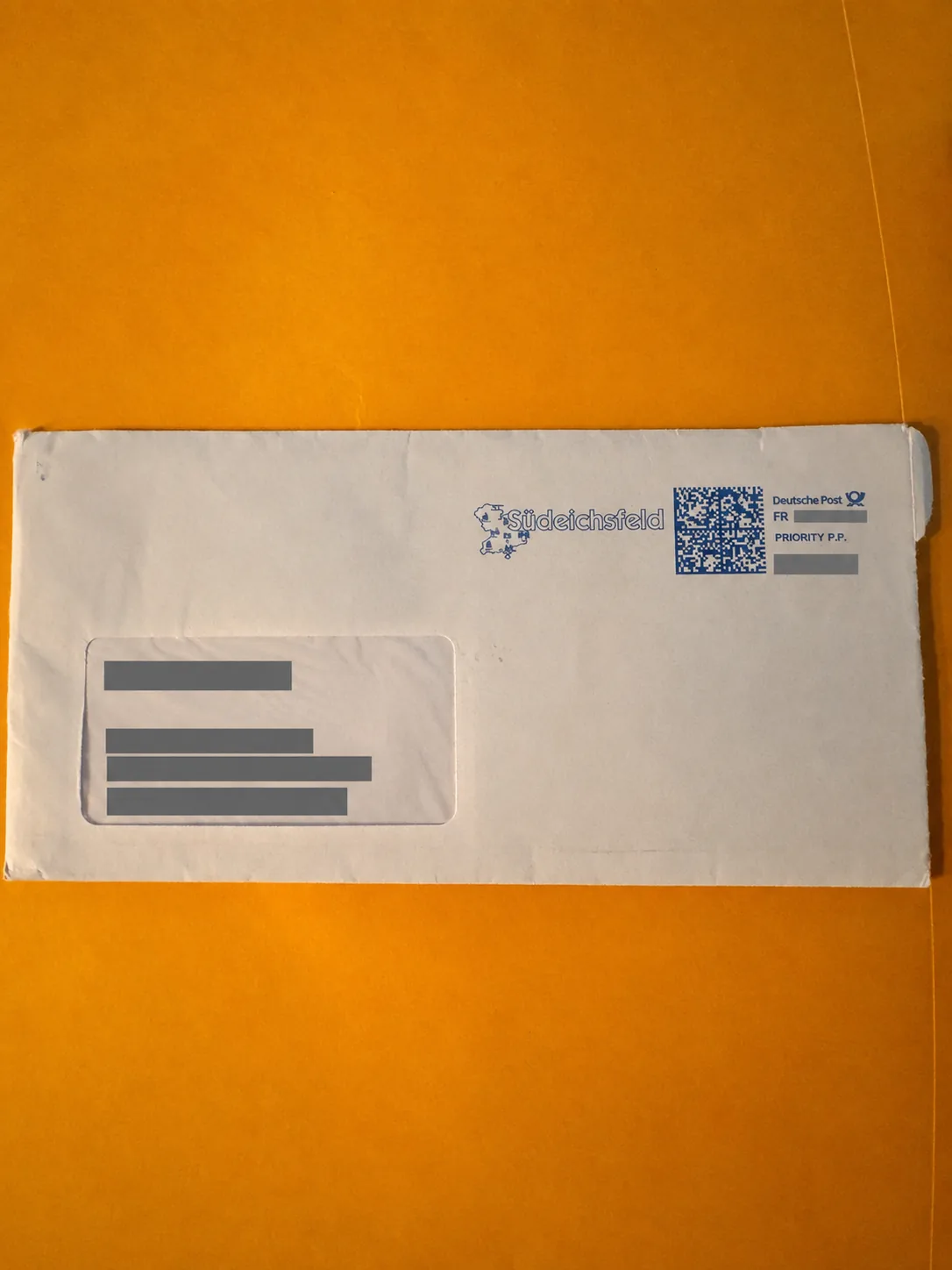
What makes this different
We actually requested the records.
We contacted German Standesämter and archives by email, supplied identifying documents, received invoices and IBAN/BIC instructions, paid from the U.S., received scans when offices were willing to send them, and waited for originals through international mail.
That experience is useful—but it is not a universal rule. Every article separates what happened in our case from what the current official guidance says.
Private names, addresses, account information, signatures and identifying numbers are redacted from public document images.
Important distinction
Genealogy finds clues.
Official records prove facts.
Genealogy services can be excellent research tools for finding dates, places, passenger lists and naturalization clues. Citizenship claims ultimately depend on the legal facts and the records accepted by the responsible authority.
Official sources
- German Missions in the United States — Citizenship
- German Missions — Citizenship FAQ
- German Missions — Certificate of Citizenship
Government procedures change. We verify procedural claims against official sources and label our own experience separately. The receiving German authority controls what is required in an individual case.