This page is based on our own long-term carpentry, installation, shop or home-project use as described below. We separate what we personally used from alternatives we have only seen or researched.
Quick verdict
DEWALT for repeated jobsite work; RYOBI for occasional homeowner projects.
Both saws had enough cutting power for the work we asked of them and both provide a useful shadow-style cut indicator. The difference showed up in the controls. On jobs where we changed angles often, the DEWALT was simply faster and less annoying to adjust.
Why we prefer the DEWALT
- Quick-lock miter handle
- Larger fences
- Easier bevel adjustments
- Accuracy stayed good through years of use
- Proven across commercial and residential jobs
Why the RYOBI still makes sense
- Plenty of power for our deck work
- Accurate shadow line
- Reasonable choice for occasional DIY
- Good fit when price matters more than adjustment speed
Where we used them
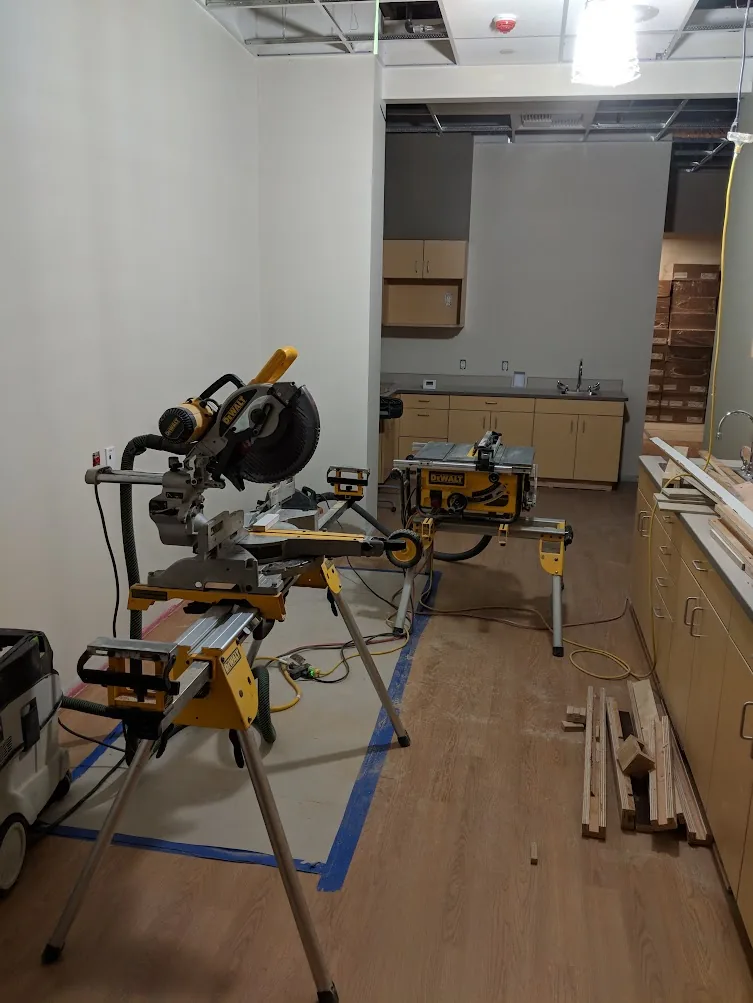
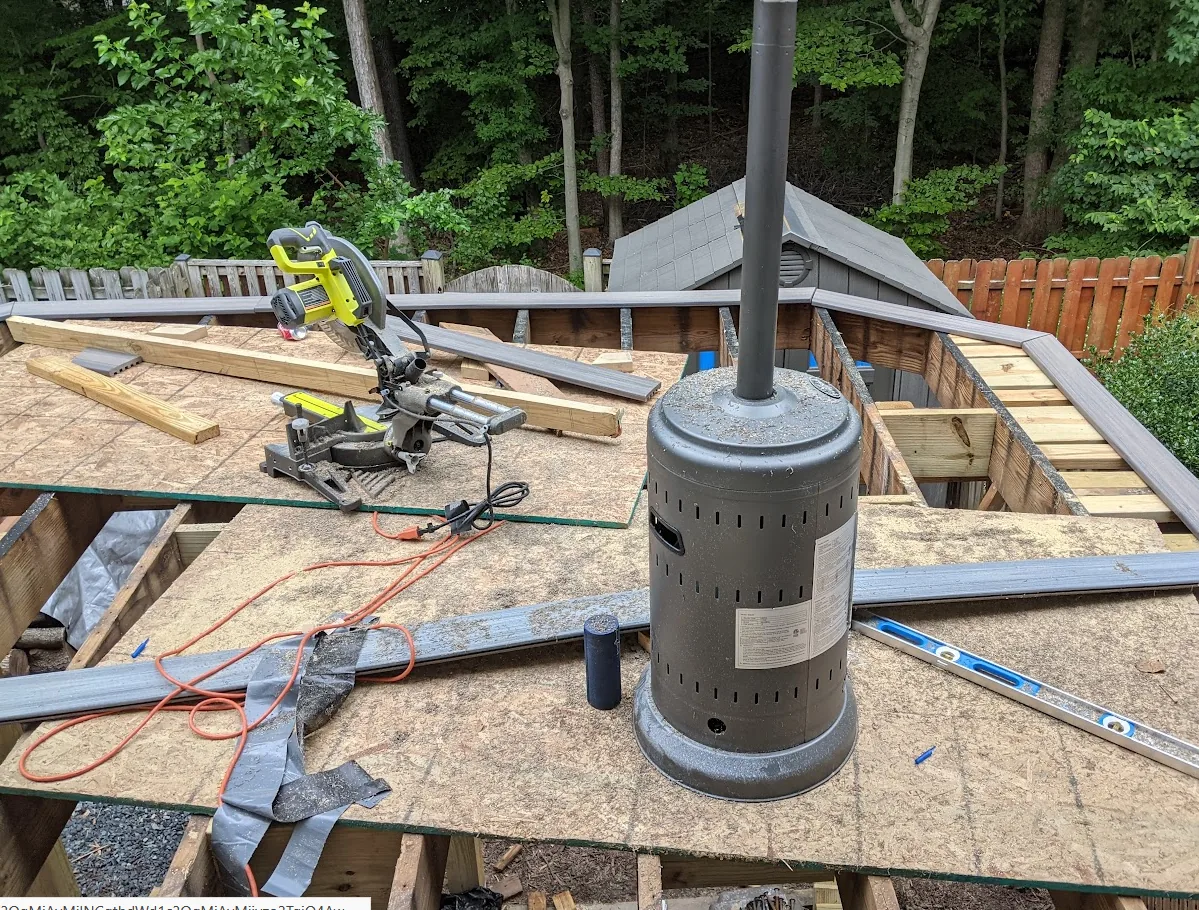
The DEWALT DWS780 was part of our regular jobsite setup for several years. We used it for trim, cabinets, counters, panels, doors and other finish work. The RYOBI TSS121 was purchased by a family member for a composite-deck project and an accent-wall project, giving us enough direct use to notice where the two designs feel different.
The miter adjustment is the biggest difference
This is the feature that would push us toward the DEWALT if we were buying one saw for repeated use. On the DWS780, the quick-lock handle lifts to let the table move freely and presses back down to lock. It is fast when you are bouncing between square cuts and miters throughout the day.
On the RYOBI, the adjustment relies on loosening and tightening the knob each time. It works, but after repeated angle changes it becomes one of those small frustrations that makes a professional-oriented saw feel worth the extra money.
Fence and bevel adjustments
The DEWALT also gives you larger fences and, in our experience, more convenient bevel adjustment. We did not have to reach around the back as often just to loosen, change and retighten the saw. None of this makes the RYOBI incapable; it makes the DEWALT quicker to live with when adjustments are part of the workday.
Both shadow lines were genuinely useful
One thing we liked on both saws was the blade-shadow style cut indicator. Rather than relying on a laser that may need its own alignment, the shadow shows where the actual blade is going to land. On the RYOBI deck work, it was accurate enough to be one of the saw's best features.
Check either saw for square before trusting it
We check a miter saw with a square before treating factory settings as gospel. The RYOBI in particular was checked and adjusted as needed before the deck work. The DWS780 stayed accurate well over years of use, but a quick verification after transport or setup is still cheap insurance before cutting expensive material.
The stands mattered too
The DEWALT compact miter-saw stand was easy to set up and stable in our use. A good stand changes how pleasant a saw is to work with because it gives the workpiece support and keeps the saw at a practical height.
DEWALT DWX724 compact miter-saw stand ↗Which would we buy?
The RYOBI delivered enough power and an accurate shadow line on the deck. What it does not deliver is the same speed and convenience when you keep changing miters and bevels. That difference matters far more on day three of a job than it does during one Saturday project.