This page is based on our own long-term carpentry, installation, shop or home-project use as described below. We separate what we personally used from alternatives we have only seen or researched.
Quick verdict
Festool for portable tool-level extraction; JET for moving a lot of shop dust.
These are not true substitutes. After roughly six to seven years around both systems, we think of the Festool as a quiet portable extractor and the JET as the higher-volume shop collector.
What we like about the Festool extractor
The Festool traveled with us through jobsite work and even across a cross-country move. It is still in service years later. We liked its suction, relatively quiet operation and automatic start behavior when a connected tool is set up properly.
It can also be connected to non-Festool tools with the right hose/adapter arrangement, so we never treated it as useful only inside one brand ecosystem.
The Festool downsides
The obvious drawback is cost. The extractor itself is expensive and the proprietary-style bags are not cheap either. We did not personally notice rapid bag consumption or a dramatic suction drop as the bag filled during our normal use, but operating cost is still part of the ownership equation.
Current Festool dust-extractor listing ↗What we like about the JET
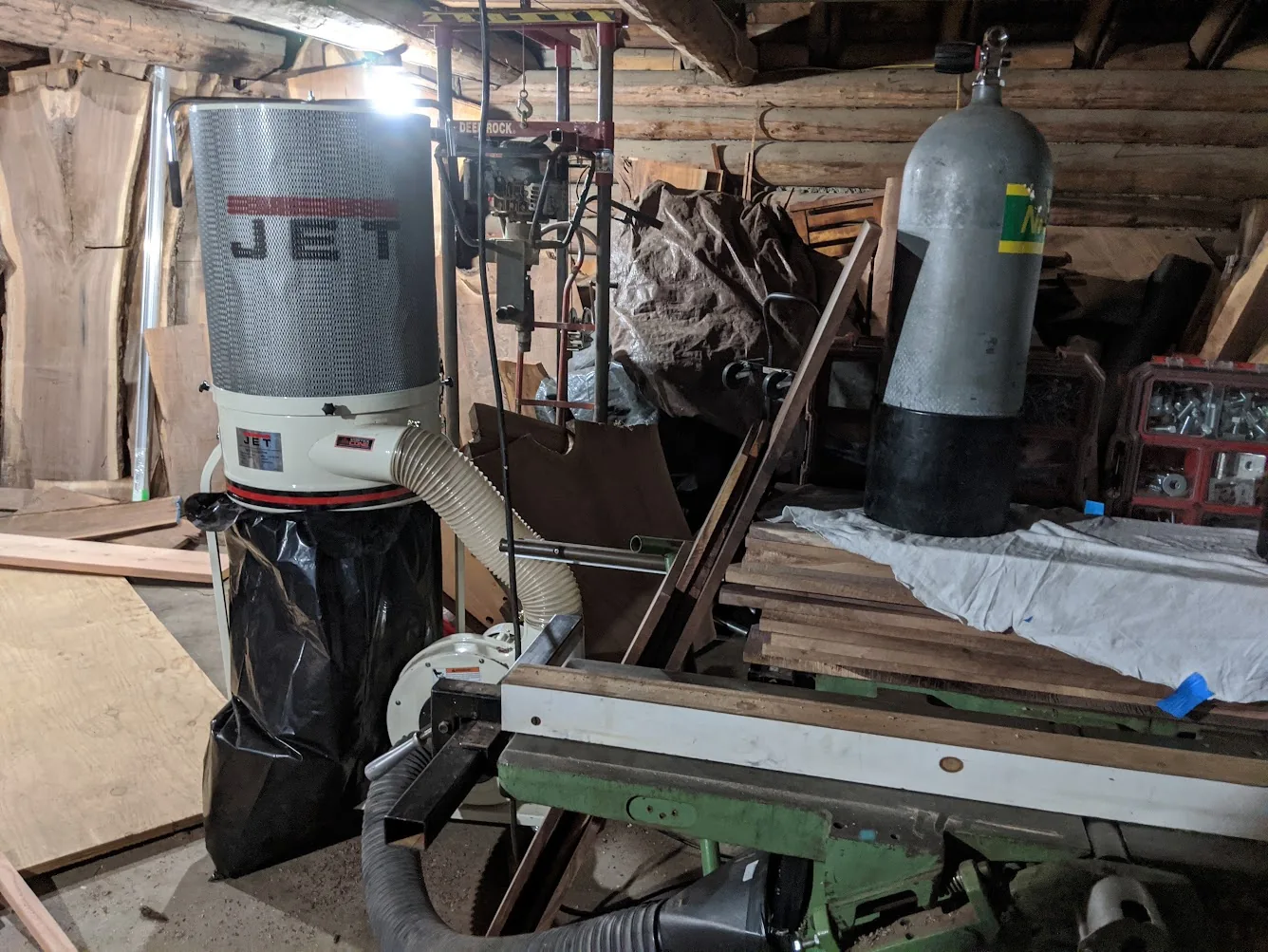
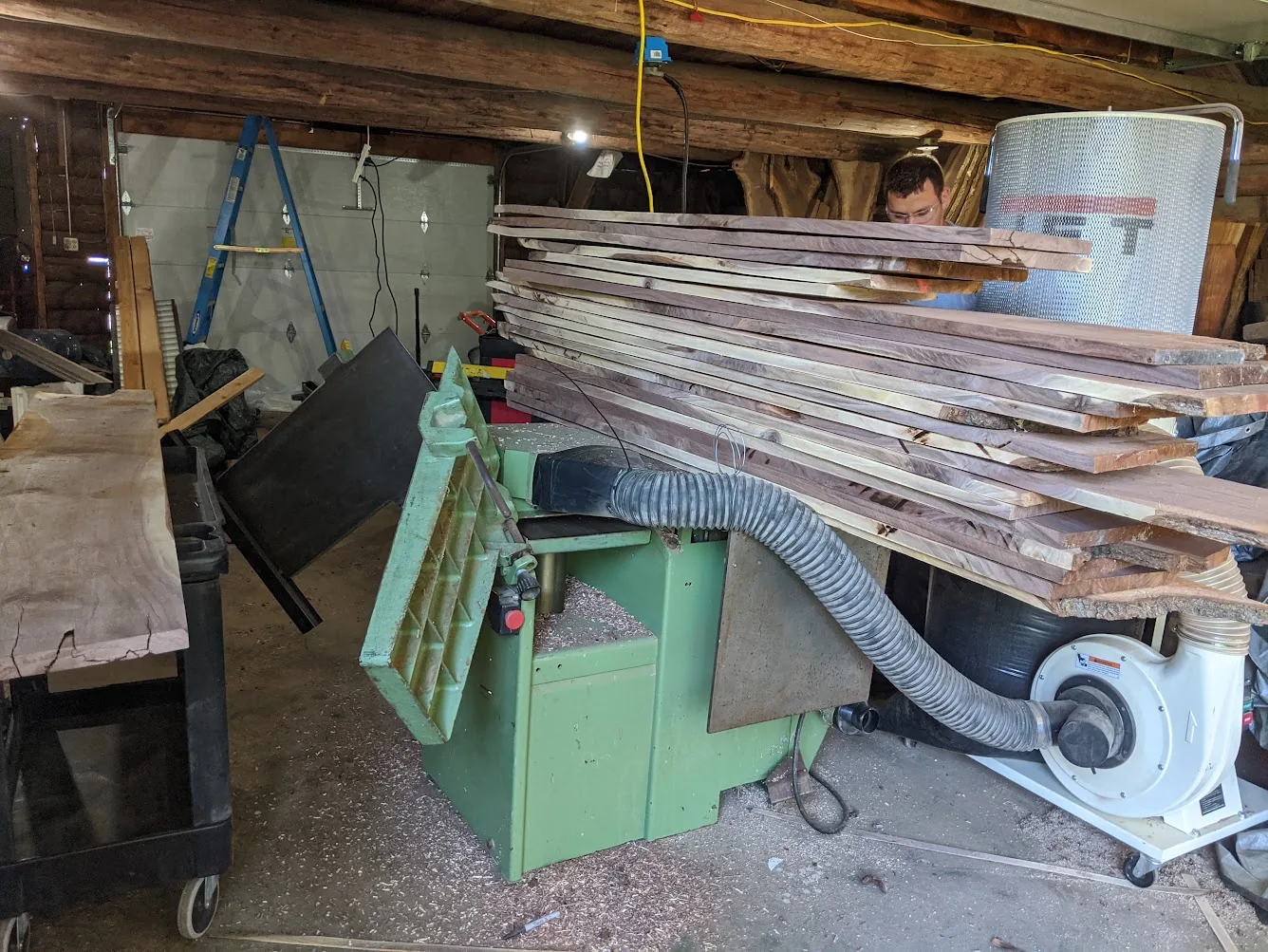
Our large JET collector came to us secondhand from another carpenter. We mainly connected it to shop equipment such as a jointer, miter saw and table saw. Its strength is volume: it collects a lot, helps keep the shop cleaner and has not been especially prone to clogging in our use.
Bag changes and maintenance
The JET bag setup has been straightforward to change. With any dust collector, hose routing, machine ports and the type of chips being produced affect performance, but we have not had a recurring clogging problem with this system.
Which one belongs where?
Festool-style extractor: easier to move with a saw or sander, quieter and convenient when auto-start is available.
JET-style collector: better suited to a jointer, table saw or other machine producing a much larger stream of chips and dust.
Six to seven years later
The most important long-term point is that both approaches are still useful to us years later. The Festool setup survived jobsite life and a move. The JET was already used when we got it and continued working in our shop. That kind of longevity matters more than a one-day suction test.
What would we buy again?
If we needed portable extraction beside finish tools, we would pay for a quiet auto-start extractor if the budget allowed. If the goal were a jointer/table-saw shop system, we would prioritize airflow, capacity and easy bag/filter service like the JET setup provides.