We were looking for a nineteenth-century Protestant baptism in Grenville, Quebec. A church archivist searched the surviving holdings and told us that no matching baptismal entry was preserved in that archive; the archivist also did not locate the parents' 1872 marriage in the collections searched.
Keep the written no-record response
The archivist's reply was useful even though it did not produce the record. It documented that we had contacted a relevant original repository and that the requested record was not present in its preserved holdings. We keep that correspondence with the research file rather than treating “not found” as an undocumented dead end.
Research the entire family, not only the missing person
We looked for church records around the missing person—parents, siblings and nearby family events—because those records can independently establish names, places and relationships.
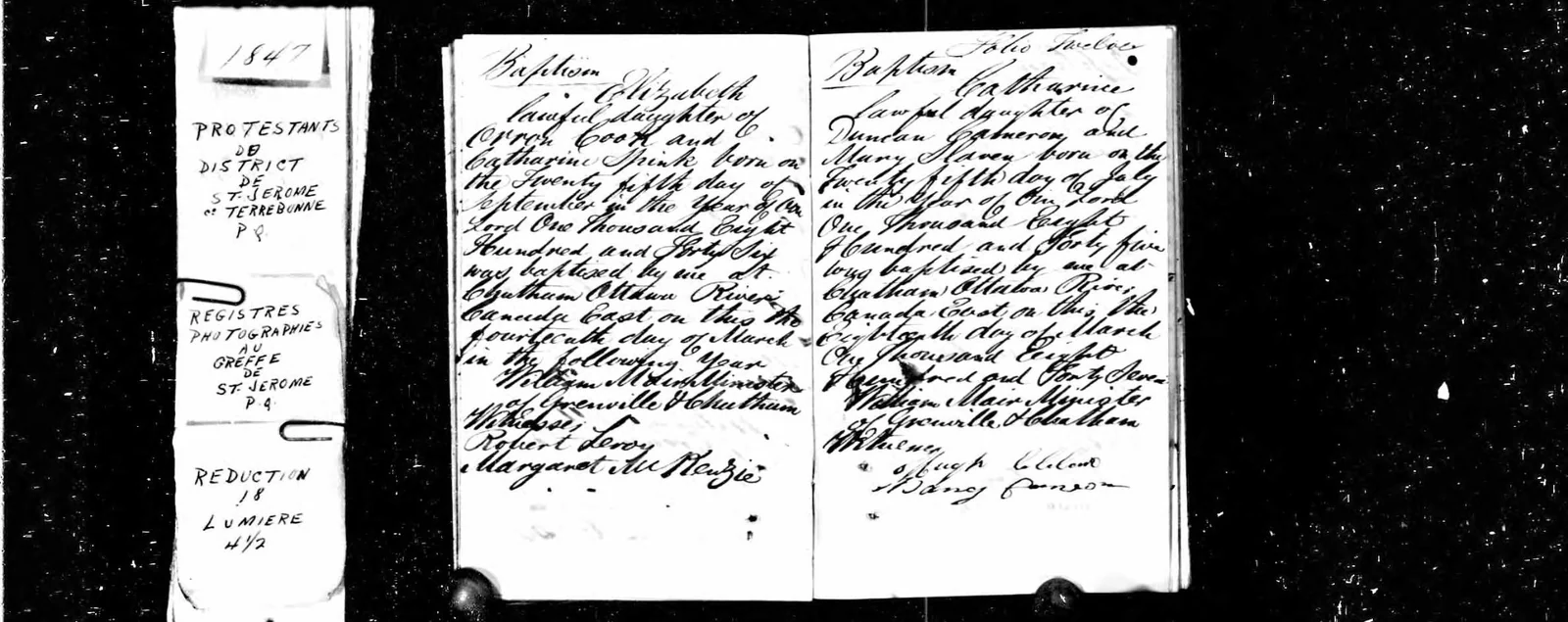
A surviving church record for the previous generation helped anchor the family in the same Canadian research area.
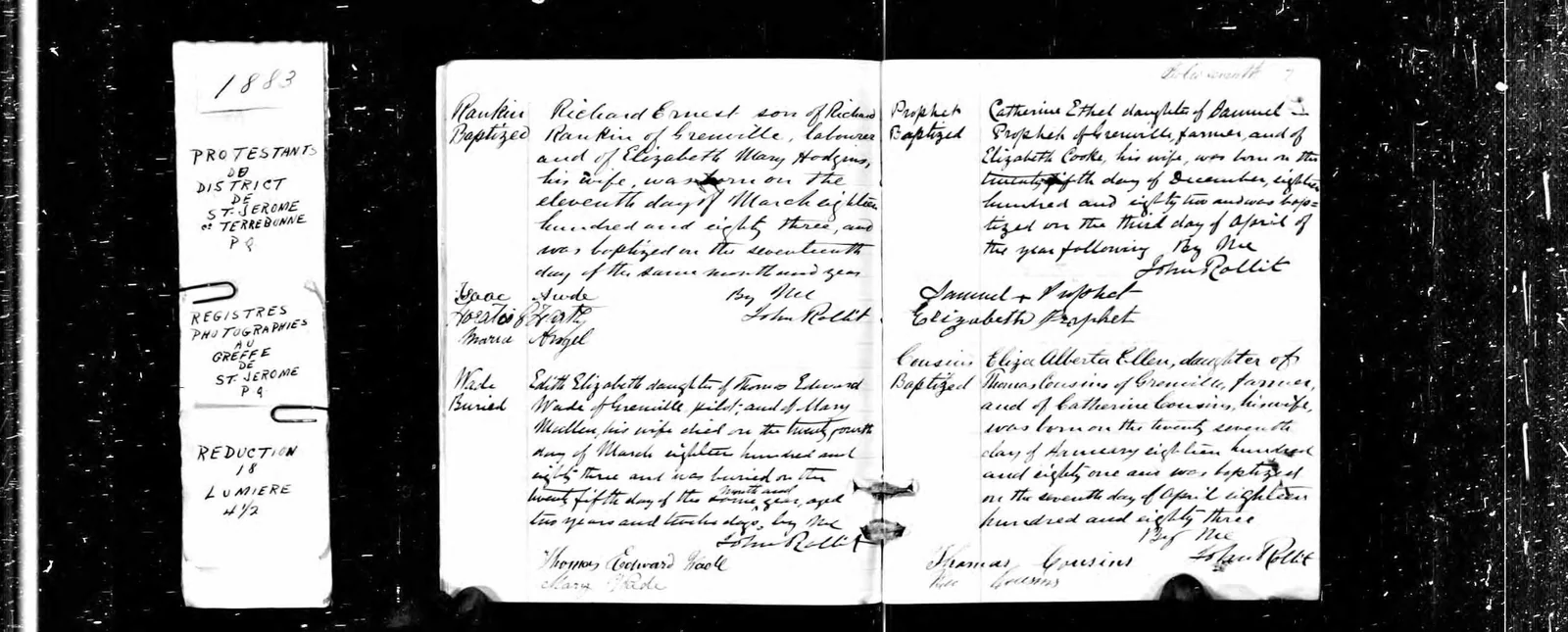
A sibling's surviving baptism is another piece of the family context even though it does not replace the missing person's own baptism.
Look for independent records created for different reasons
The strongest substitute trail is not five copies of the same family tree. We looked for records created by different institutions at different times:
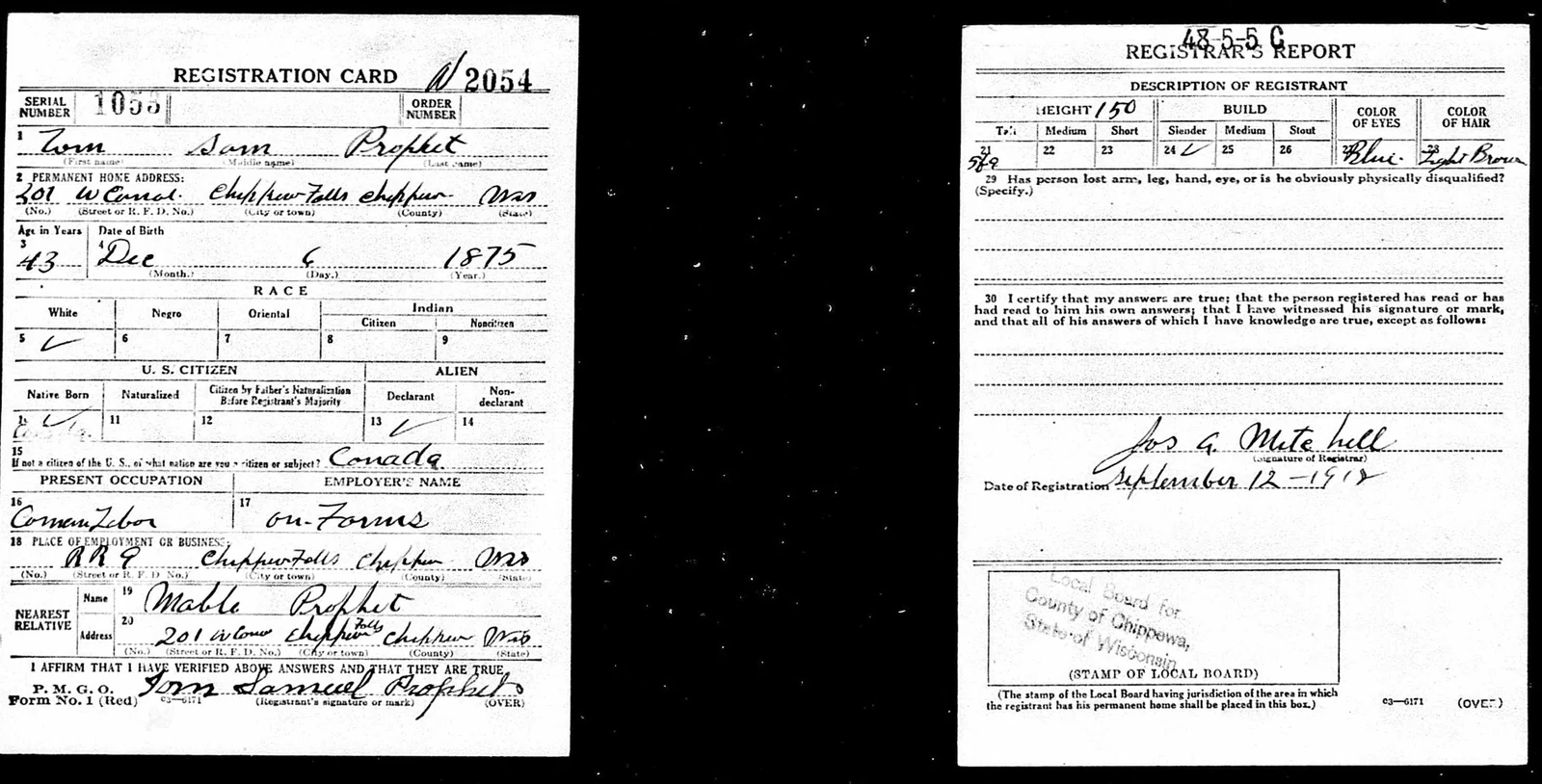
A separate government record can preserve nationality, birth and residence information years after the missing church event.
Prefer provenance over screenshots
Subscription genealogy sites and family-tree tools helped us locate clues, but for official use we kept working back to the repository that holds the source. In one case, a Wisconsin archive authenticated a naturalization document as a true and correct copy of the record in its custody.
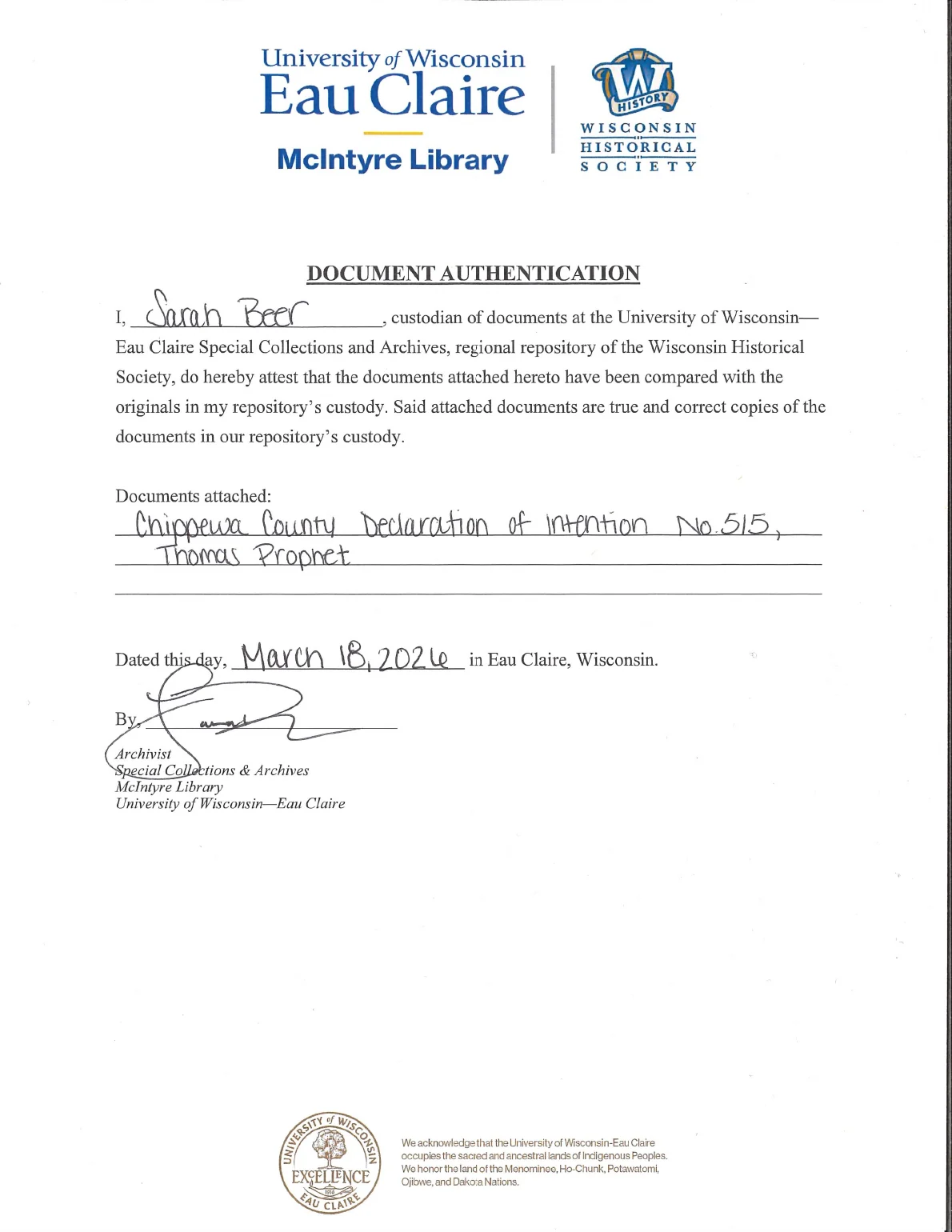
Repository authentication makes the source and chain of custody clear.
What this evidence does—and does not—mean
Multiple consistent records can build a strong historical and genealogical case around a missing baptism. But we do not claim that a particular bundle automatically satisfies IRCC. Current instructions control, and IRCC can request additional evidence.
IRCC's current examples of alternative evidence when a birth record is missing include baptismal records, census records, boat manifests, foreign birth records connecting generations, and citizenship/naturalization evidence. The important theme is that the evidence should come from the original authority and clearly show its source.
Official sources
- IRCC — Documents for a citizenship certificate
- IRCC — Paper application guide CIT 0001
- LAC — Ordering copies / Bill C-3 certification notice
- LAC — Immigration records research guide
This is a research workflow, not a determination of citizenship or a guarantee that a specific evidence package will be accepted.