We were researching a Canadian-born ancestor and needed records strong enough to trace the family across generations and across the Canada–U.S. border. The examples below are from our own research and archive orders; current citizenship requirements are linked separately.
Start with the Library and Archives Canada census search
Library and Archives Canada currently provides searchable census returns from 1825 through 1931. We used the official search to narrow by year and person, then opened the underlying census image rather than relying only on an index transcription.
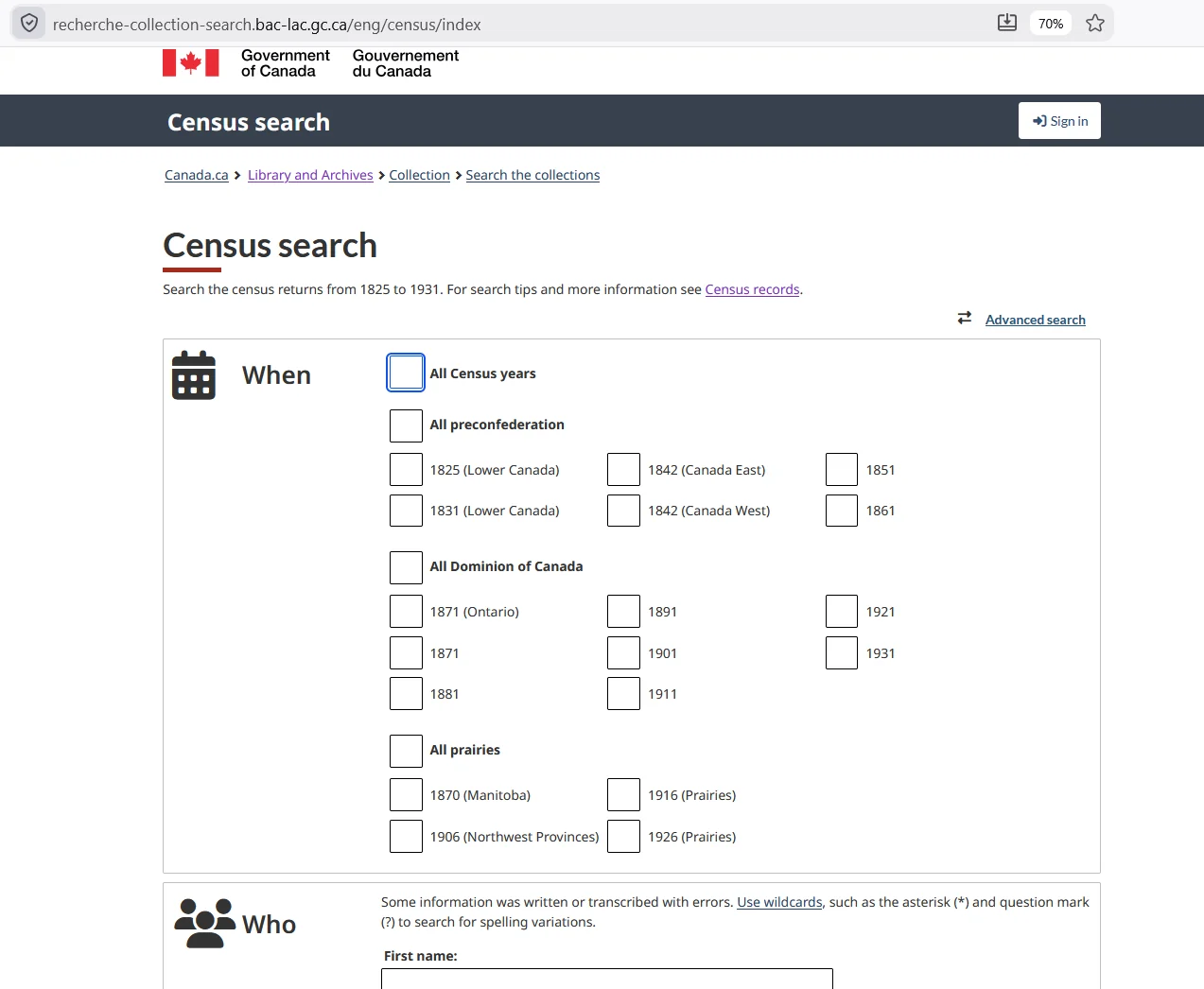
The LAC Census Search interface we used. Old names can be misspelled or transcribed inconsistently, so broad searches and spelling variants can help.
For our research, census records were valuable because they placed the family in Canada at a specific date and location and helped connect the household to later immigration and naturalization records.
When we ordered a copy from LAC
We also ordered an archival reproduction from Library and Archives Canada. LAC sent a payment request through its own payment system and, after payment confirmation, mailed the requested material. We do not publish the unique payment token or our customer details.
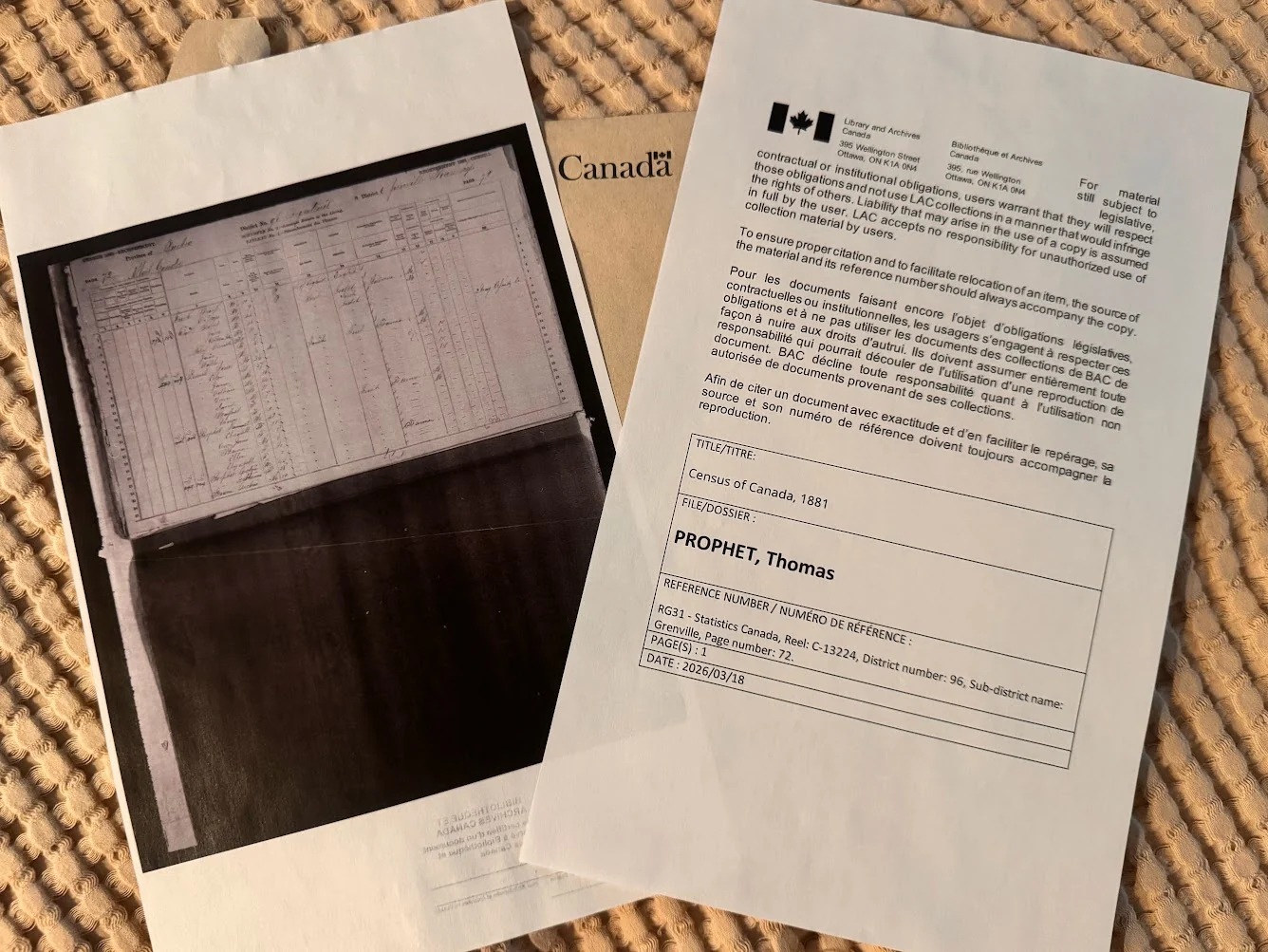
Part of the census package we received from Library and Archives Canada.
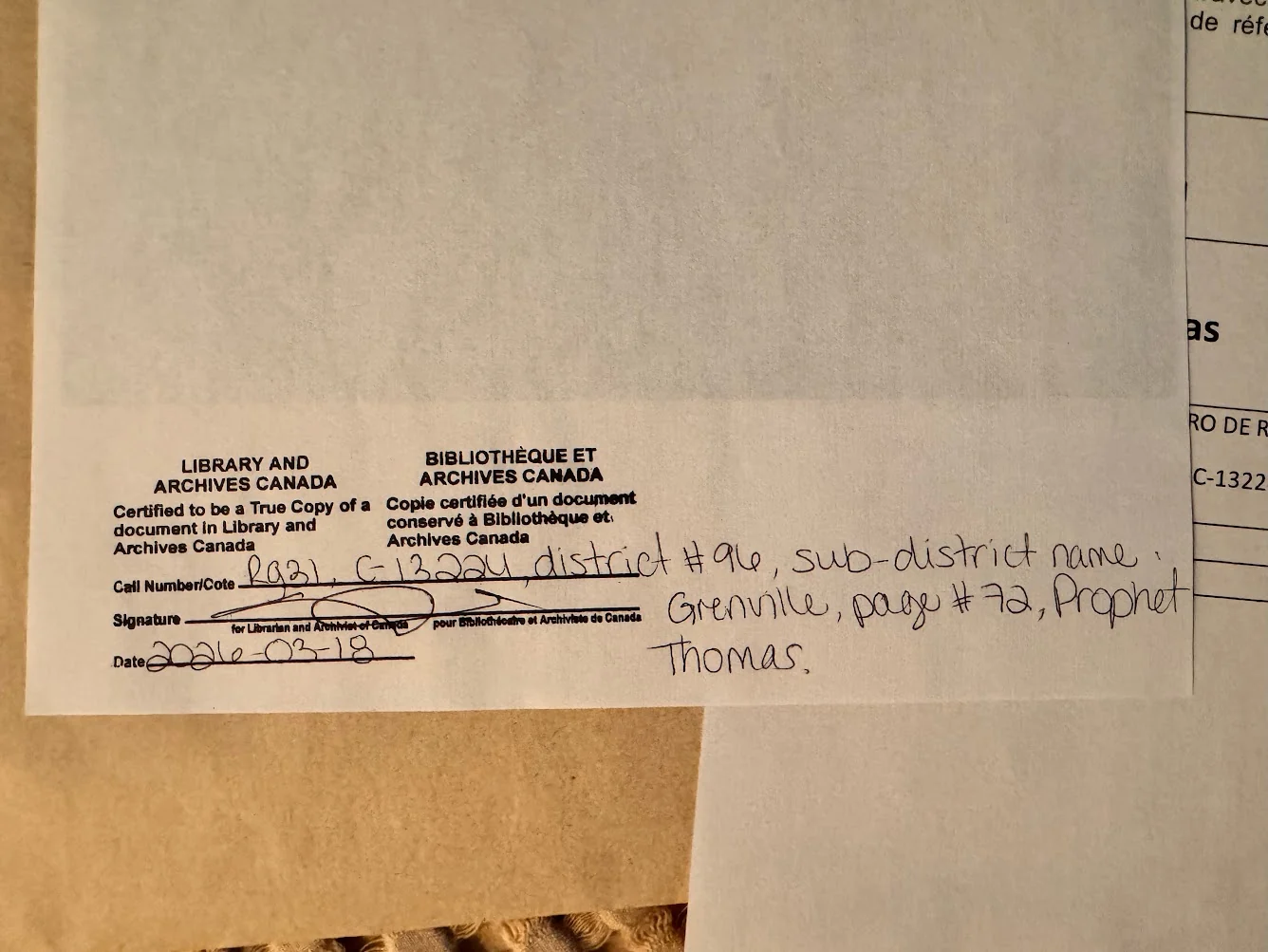
Certification and archival reference information on our copy. LAC now says certified copies are not currently required for Bill C-3 proof applications when LAC is the original authority, so check current instructions before paying for certification.
Follow the person across the border
A Canadian record often points to the next U.S. record rather than ending the search. In our case, U.S. records helped preserve details about Canadian birth, nationality and arrival.
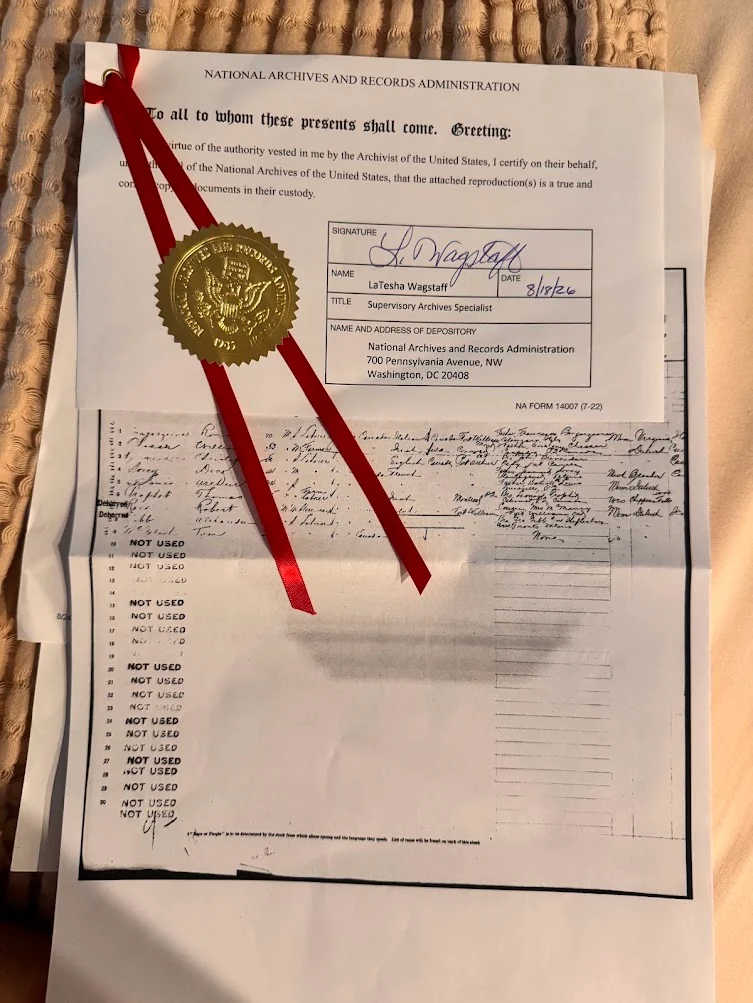
A certified NARA passenger-arrival record from our research.
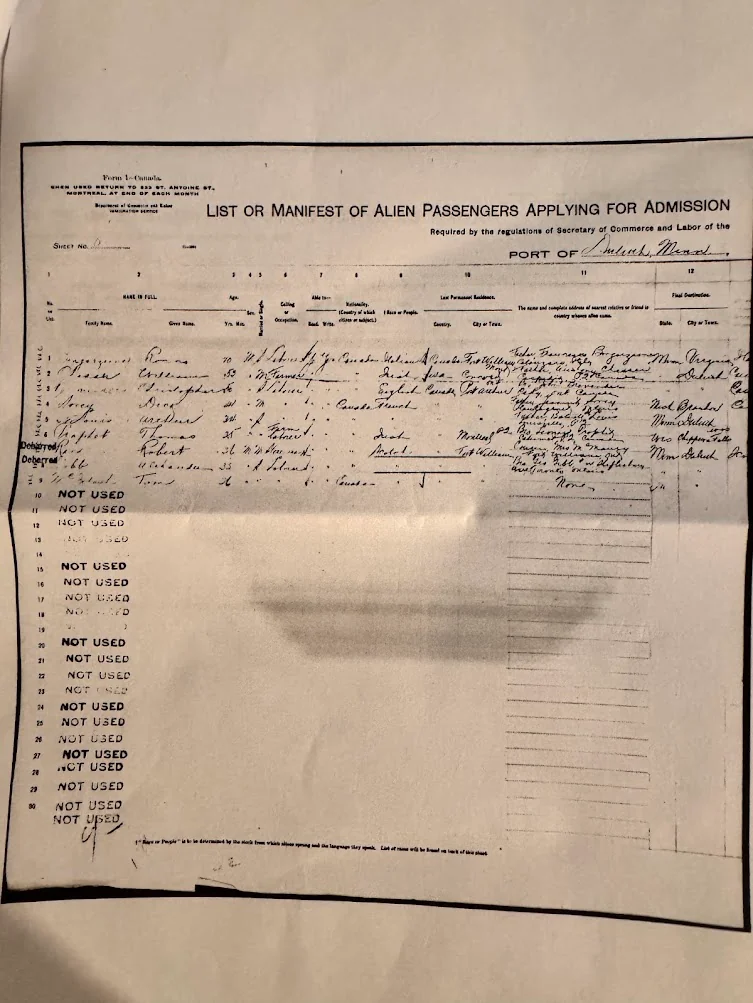
The passenger manifest itself. Historical names and migration details are left visible; modern customer/order information is not.
Naturalization records can add another independent source
We also obtained an authenticated naturalization record from a Wisconsin archive. The archive's authentication page states that the attached copy was compared with the original record in its custody. That provenance is much stronger than treating a family-tree screenshot as the final evidence.
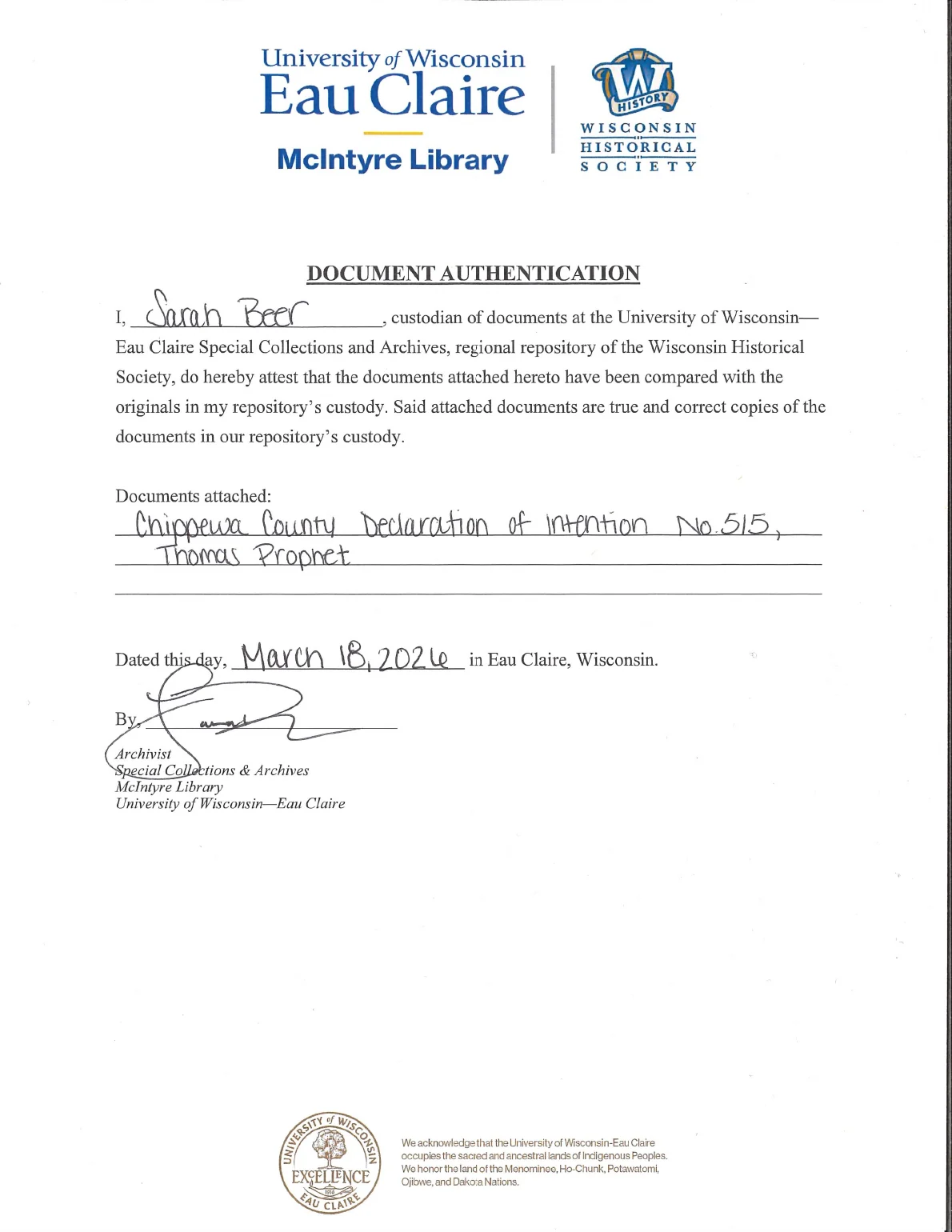
Authentication from the repository that holds the original naturalization record.
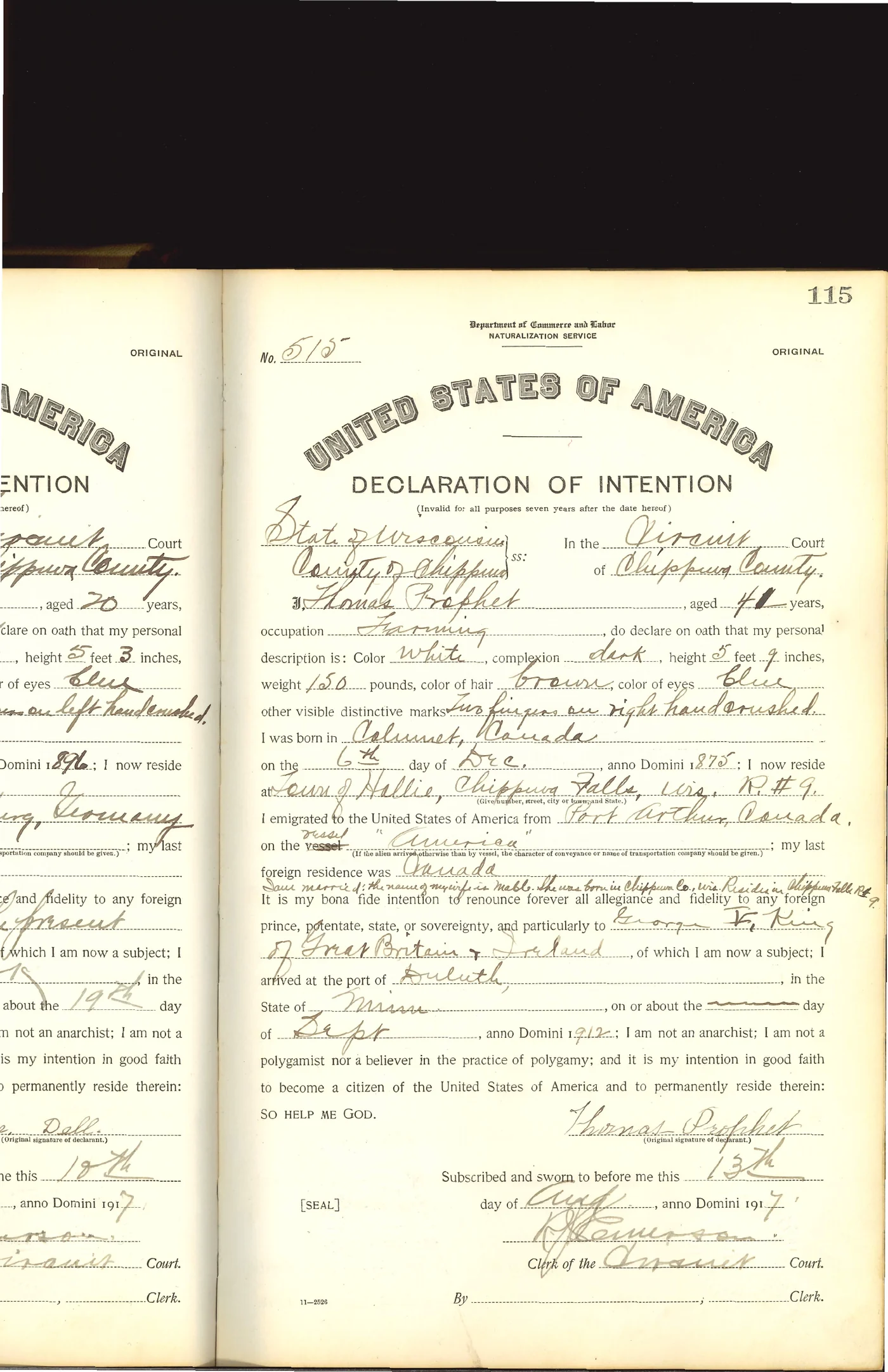
The historical naturalization declaration tied to that authentication.
What we save from every search
- Repository name and URL
- Record title and collection
- Census year, district/sub-district and page when available
- Microfilm/reel/reference numbers
- The original image—not only the transcription
- Order receipts or repository authentication when we requested copies
- A note explaining how that record connects to the next generation
Official sources
- Library and Archives Canada — Census Search
- LAC — General census guide
- LAC — Passenger lists 1865–1935
- LAC — Border entries 1908–1935
- LAC — Ordering copies online
- IRCC — Proof of citizenship document guidance
Archive holdings and citizenship instructions can change. Use the repository's current page for ordering rules and IRCC's current instructions for citizenship evidence.