Gear Arena compared manufacturer specifications, manuals, warranty terms, retailer availability, reputable independent information and recurring owner feedback. Recommendations are organized by price level and intended user. Products personally used by our team are identified in separate Our experience sections; we do not claim hands-on testing where it did not occur.
Our recommendations at a glance
Most premade roadside kits look impressive because they contain many pieces, but the weakest components are often the ones that matter most: thin jumper cables, dim flashlights, undersized first-aid supplies or gloves that tear immediately. Our preferred approach is to use a reputable premade kit as a starting point—or build a kit from carefully chosen components.
| Award | Product | Typical price | Best reason to buy |
|---|---|---|---|
| Best budget premade | AAA Lifeline Roadside Kit | About $40–$80 | Recognizable basic roadside bundle |
| Best value premade | First Secure Roadside Kit | About $70–$120 | Broad assortment for family vehicles |
| Best approach overall | Build-your-own Gear Arena kit | About $100–$250 | Choose quality components instead of filler |
| Best winter upgrade | Add cold-weather module | About $40–$120 extra | Blanket, traction, gloves and visibility |
| Best premium module | Quality jump starter + inflator | About $120–$300 | Handles the two most common roadside needs |
1. AAA / Lifeline roadside emergency kit
A premade AAA-branded kit is a sensible low-effort starting point, especially for a new driver, but the exact contents and cable gauge must be checked.
Pros
- Easy one-box purchase
- Organized case
- Good gift for new drivers
- Widely available
Cons
- Component quality varies
- May include filler items
- Often needs upgrades for winter and family use
2. First Secure / comparable expanded roadside kit
Expanded kits can cover more situations than basic bundles, but buyers should inspect cable gauge, tow ratings and expiration dates rather than counting pieces.
Pros
- Broad coverage
- Convenient organization
- Useful as a base for a family vehicle
- Usually includes visibility gear
Cons
- Not every included tool is high quality
- First-aid contents may be minimal
- Tow straps and cables require rating verification
3. Gear Arena build-your-own family kit
Building your own avoids paying for weak filler and lets the kit match the vehicle, climate and passengers.
Pros
- Quality where it matters
- Easy to replace or upgrade one item
- Can be tailored for children, pets or medical needs
- Better documentation and warranties by component
Cons
- Costs more up front
- Requires planning
- Needs periodic inspection and rotation
4. Cold-weather add-on module
Cold changes the consequences of a minor breakdown. A winter module should focus on warmth, visibility and traction rather than novelty survival gadgets.
Pros
- Addresses exposure risk
- Easy seasonal add-on
- Useful for children and older passengers
- Can be stored in a separate tote
Cons
- Takes cargo space
- Water and batteries require rotation
- Traction products vary greatly in effectiveness
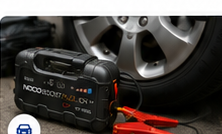
5. Jump starter + tire inflator pairing
Battery and tire-pressure problems are common and often solvable without towing. A good jump pack and inflator provide more practical value than dozens of small kit pieces.
Pros
- Addresses common failures
- Reusable
- Can help other drivers
- Useful beyond emergencies
Cons
- Must be kept charged
- Adds cost and storage space
- Cannot fix damaged tires or mechanical failures
Detailed buying guide
- Start with visibility and personal safety: reflective vest, triangles, flashlight and gloves.
- Add vehicle-specific items: wheel-lock key, correct jack tools, tow-eye location and spare-tire knowledge.
- Choose a first-aid kit sized for passengers, then add personal medications only with appropriate temperature and expiration management.
- Inspect the kit twice a year. Recharge electronics, replace expired supplies and adjust seasonal items.
Affiliate links and availability
Retail links will be added or updated as Gear Arena is approved by relevant affiliate programs. We may earn a commission from qualifying purchases at no added cost to you. A retailer button never determines which product wins. Confirm current specifications, compatibility, warranty and price before purchasing.
Sources
Manufacturer documentation is the primary source for specifications and warranty language. Dynamic prices are shown as broad typical ranges rather than guaranteed prices.
- Ready.gov car emergency kit guidance
- National Weather Service winter safety
- NOCO GB40 official page
- DEWALT DCC020IB official page
See our full methodology, editorial policy and affiliate disclosure.